
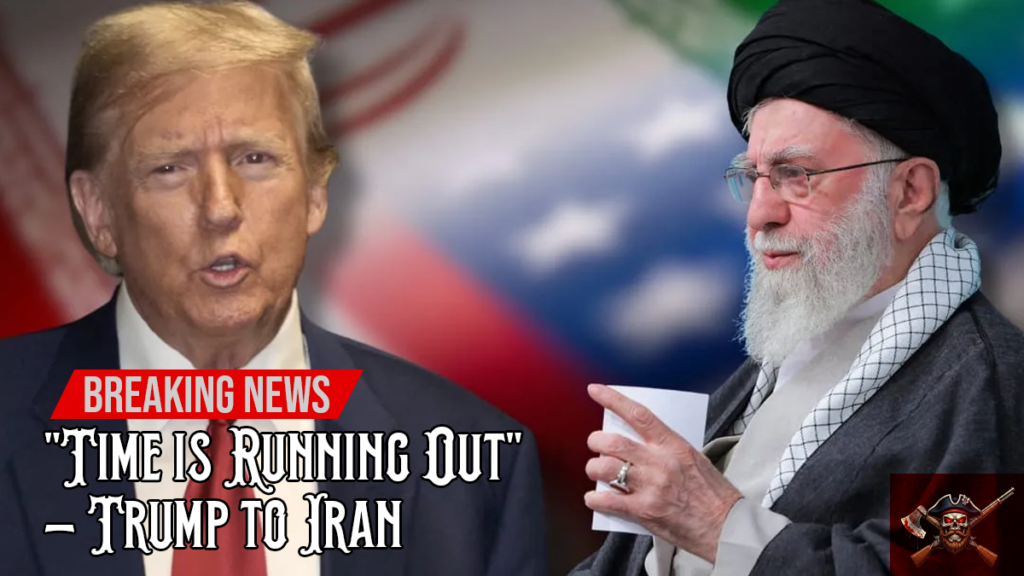
In the high-stakes theater of Middle Eastern geopolitics, there is no currency more valuable than credible resolve. For decades, the international community has approached the Islamic Republic of Iran with a mixture of half-hearted sanctions and hopeful diplomacy, only to watch Tehran expand its “Axis of Resistance” and inch closer to nuclear breakout. Today, however, the calculus has changed. President Donald Trump, returning to the “Maximum Pressure” playbook with renewed vigor in 2026, has positioned a “beautiful armada” in the Persian Gulf, led by the USS Abraham Lincoln. While critics decry the move as escalatory, a clear-eyed analysis suggests that this projection of overwhelming force is the only language the Iranian regime truly respects—and the only way to secure a permanent, equitable deal that ensures “NO NUCLEAR WEAPONS.”

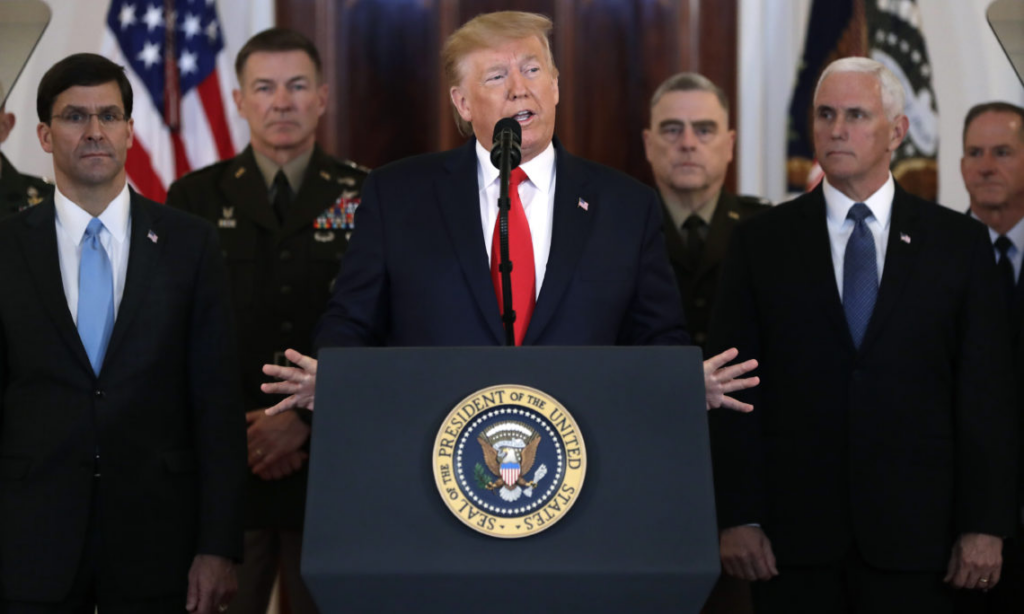
The Failure of Half-Measures
To understand why the Trump administration is currently weighing targeted strikes, one must first acknowledge the failures of the preceding years. The policy of “strategic patience” and the remnants of the JCPOA (Joint Comprehensive Plan of Action) did little to curb Iran’s long-term ambitions. By early 2025, it was clear that Iran had utilized periods of diplomatic reprieve to refine its ballistic missile technology and fund regional proxies from Yemen to Lebanon.
When President Trump issued National Security Presidential Memorandum 2 (NSPM-2) in February 2025, he wasn’t just reinstating sanctions; he was correcting a strategic imbalance. The goal was simple: drive Iranian oil exports to zero and deny the regime the capital it uses to destabilize the globe. While the “shadow fleet” and adaptive networks initially allowed Tehran to survive, the cumulative weight of the 2025-2026 sanctions has brought the Iranian economy to a breaking point. With inflation soaring past 60% and widespread protests rocking cities from Tehran to Mashhad, the regime is more vulnerable than it has been in forty years.

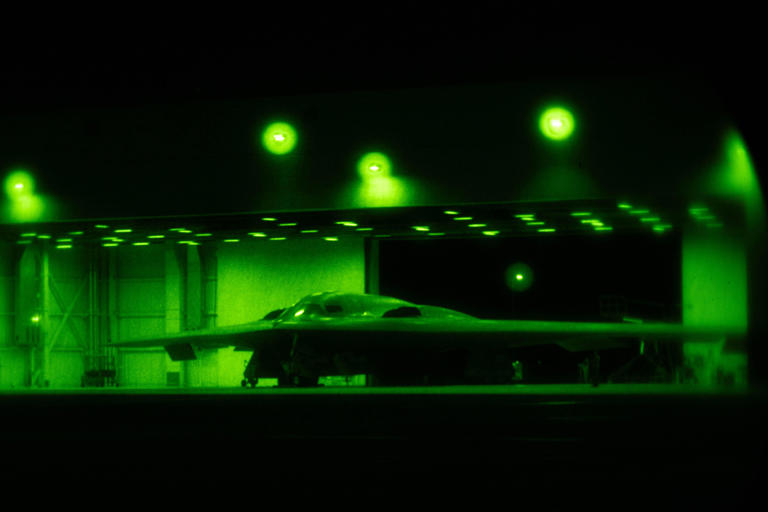
Operation Midnight Hammer: A Precedent of Success
The President’s current warnings are not empty rhetoric; they are backed by the memory of Operation Midnight Hammer. In the summer of 2025, after Iran crossed a “red line” regarding uranium enrichment and regional aggression, the U.S. conducted a swift, surgical strike on three major nuclear facilities.
Unlike the “forever wars” of the past, Midnight Hammer was a masterclass in limited but decisive kinetic action. It demonstrated that the U.S. could “obliterate” key infrastructure without getting bogged down in a ground invasion. By weakening the regime’s nuclear potential, Trump created the very leverage that is now forcing Tehran to contemplate the unthinkable: a return to the negotiating table on Washington’s terms.
The Logic of the “Beautiful Armada”
Critics often mistake Trump’s unpredictability for a lack of strategy. In reality, it is a sophisticated application of “The Art of the Deal” to national security. By moving a massive naval force into the region—one larger than the force that facilitated the removal of Nicolás Maduro—the President is creating a “binary choice” for Supreme Leader Ali Khamenei:
- Diplomatic Submission: Agree to a new, comprehensive treaty that includes a permanent ban on uranium enrichment, strict limits on ballistic missiles, and the dismantling of proxy networks.
- Regime Paralysis: Face a “far worse” military intervention that targets not just silos, but the very security apparatus (the IRGC and Basij) that keeps the clerical elite in power.
This isn’t warmongering; it is deterrence through dominance. The presence of the USS Abraham Lincoln ensures that if Iran attempts to close the Strait of Hormuz or strike at U.S. bases in Qatar or Jordan, the response will be instantaneous and overwhelming.
Supporting the Iranian People
A central pillar of the Trump 2026 strategy is the explicit link between internal repression and external consequences. For too long, the clerical regime has operated under the assumption that it could slaughter its own citizens—as it did during the January 2026 protests—without facing a military response from the West.
By weighing strikes on IRGC command centers and leadership hubs, President Trump is sending a message to the Iranian people: The world’s superpower stands with your aspirations for freedom. If the regime uses violence to crush dissent, the U.S. is prepared to use its air power to level the playing field. The administration’s focus on “regime change” through pressure, rather than occupation, honors the President’s “America First” promise to avoid unnecessary ground wars while still asserting American moral and military leadership.
The Path to a “Fair and Equitable” Deal
The President has been remarkably consistent in his demands. He doesn’t seek the destruction of the Iranian nation, but the neutralization of its radical government. His frequent social media posts urging Tehran to “Come to the Table” indicate that the door to diplomacy is wide open—provided the deal is “good for all parties.”
What does a Trump-led deal look like?
- Zero Enrichment: A total halt to the domestic enrichment of uranium.
- Missile Constraints: Strict limits on the range and development of intercontinental ballistic missiles (ICBMs) that could one day reach American soil.
- Proxy Accountability: An end to the funding of groups like Hezbollah and the Houthis, which have long acted as Iran’s “long arm” of terror.
Conclusion: The Strength of Certainty
In the coming weeks, the world will watch as the “beautiful armada” nears its destination. There will be calls for “de-escalation” and “restraint” from the usual corners of the foreign policy establishment. But history has shown that restraint is often interpreted by Tehran as weakness.
Donald Trump’s willingness to weigh military strikes is not a sign of a desire for war, but a commitment to a lasting peace. By stripping away the regime’s nuclear shield and its economic lifelines, he is forcing a rogue state to choose between modernization and obsolescence. For the first time in decades, the United States is leading with the strength of certainty—and that is the only way to ensure that the next chapter of Middle Eastern history is written by the people of Iran, not their oppressors.