
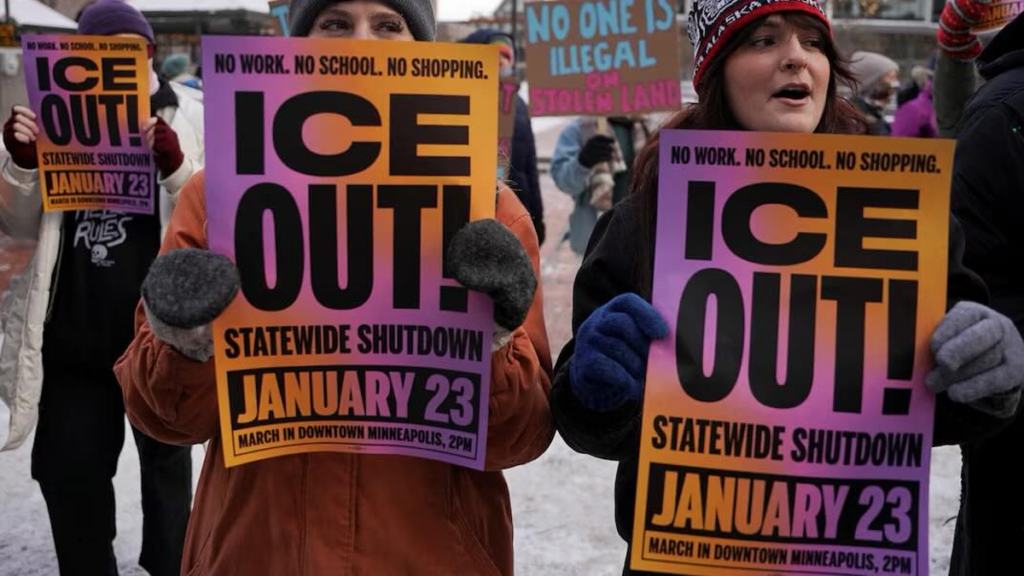
Why Walking Out on January 23rd Hurts the Very People Doing It!
Leaving school, closing businesses, and refusing to work doesn’t punish politicians or billionaires — it punishes regular people, including the ones participating.
When students walk out of school, they don’t “stick it to the system.” They lose instruction time, fall behind academically, and put more pressure on parents who still have to work. Missed education doesn’t magically come back — the consequences last far longer than a one-day protest.
When workers refuse to work, paychecks don’t show up. Bills don’t pause. Rent doesn’t care about political statements. For hourly workers especially, a missed day of work is a direct financial hit — one that no politician or employer will reimburse.
When businesses shut down, the damage compounds. Small businesses still pay rent, utilities, insurance, and payroll whether the doors are open or not. One day closed can mean lost customers that never return, thinner margins, or layoffs that hurt employees who had no say in the shutdown.
Now zoom out to the economy.
Fewer people working means less production. Less production means higher prices. Less income circulating means weaker local economies. These actions don’t “break the system” — they slow it down, and the slowdown always hits the middle and working class first.
Protests are supposed to pressure decision-makers. But shutting down your own school, your own job, and your own community doesn’t pressure power — it pressures your neighbors.
The economy isn’t some abstract monster. It’s people working, buying, learning, and building. When you stop participating in it, the only people guaranteed to feel the impact immediately… are the ones closest to you.