
DC Watch
The Logic of Strength: Why Trump’s “Armada” Strategy Is the Only Path to a Nuclear-Free Iran

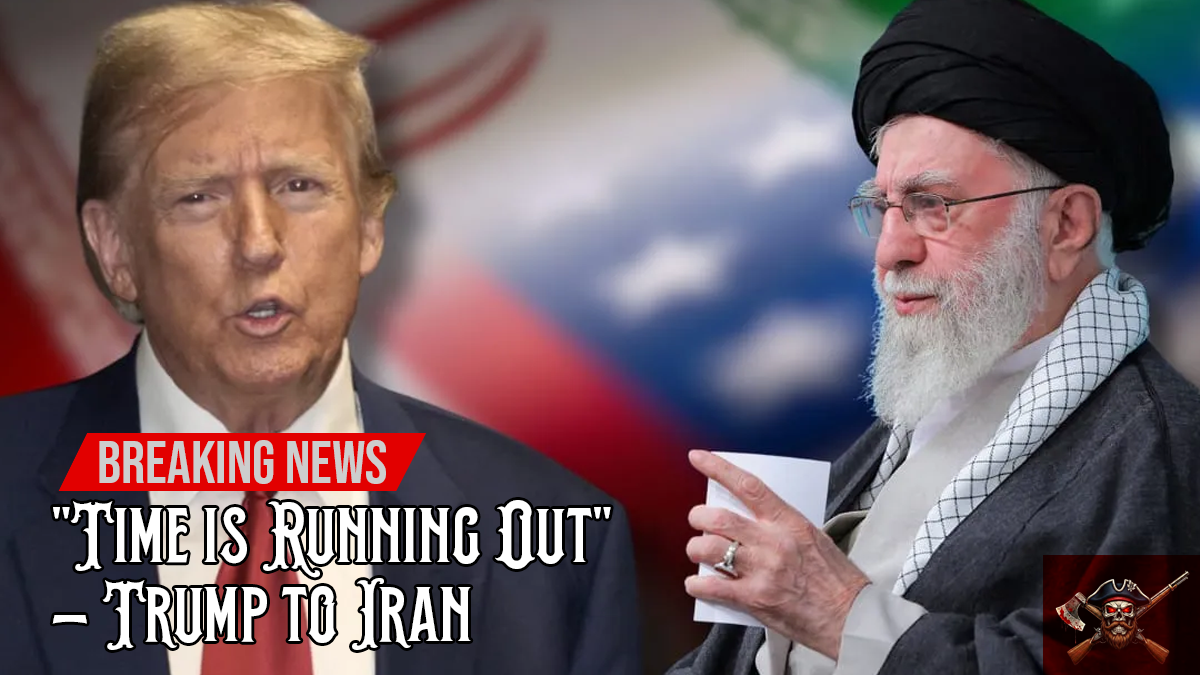
In the high-stakes theater of Middle Eastern geopolitics, there is no currency more valuable than credible resolve. For decades, the international community has approached the Islamic Republic of Iran with a mixture of half-hearted sanctions and hopeful diplomacy, only to watch Tehran expand its “Axis of Resistance” and inch closer to nuclear breakout. Today, however, the calculus has changed. President Donald Trump, returning to the “Maximum Pressure” playbook with renewed vigor in 2026, has positioned a “beautiful armada” in the Persian Gulf, led by the USS Abraham Lincoln. While critics decry the move as escalatory, a clear-eyed analysis suggests that this projection of overwhelming force is the only language the Iranian regime truly respects—and the only way to secure a permanent, equitable deal that ensures “NO NUCLEAR WEAPONS.”
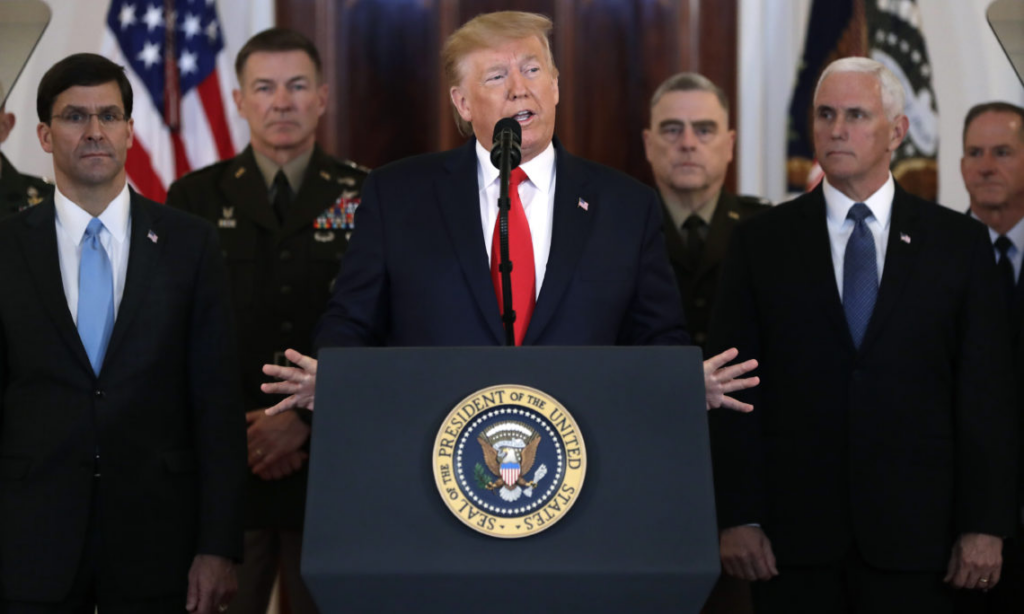
The Failure of Half-Measures
To understand why the Trump administration is currently weighing targeted strikes, one must first acknowledge the failures of the preceding years. The policy of “strategic patience” and the remnants of the JCPOA (Joint Comprehensive Plan of Action) did little to curb Iran’s long-term ambitions. By early 2025, it was clear that Iran had utilized periods of diplomatic reprieve to refine its ballistic missile technology and fund regional proxies from Yemen to Lebanon.
When President Trump issued National Security Presidential Memorandum 2 (NSPM-2) in February 2025, he wasn’t just reinstating sanctions; he was correcting a strategic imbalance. The goal was simple: drive Iranian oil exports to zero and deny the regime the capital it uses to destabilize the globe. While the “shadow fleet” and adaptive networks initially allowed Tehran to survive, the cumulative weight of the 2025-2026 sanctions has brought the Iranian economy to a breaking point. With inflation soaring past 60% and widespread protests rocking cities from Tehran to Mashhad, the regime is more vulnerable than it has been in forty years.
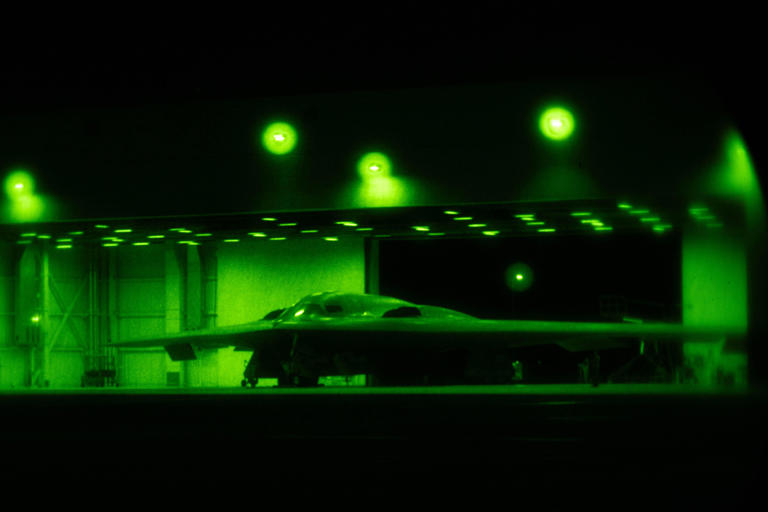
Operation Midnight Hammer: A Precedent of Success
The President’s current warnings are not empty rhetoric; they are backed by the memory of Operation Midnight Hammer. In the summer of 2025, after Iran crossed a “red line” regarding uranium enrichment and regional aggression, the U.S. conducted a swift, surgical strike on three major nuclear facilities.
Unlike the “forever wars” of the past, Midnight Hammer was a masterclass in limited but decisive kinetic action. It demonstrated that the U.S. could “obliterate” key infrastructure without getting bogged down in a ground invasion. By weakening the regime’s nuclear potential, Trump created the very leverage that is now forcing Tehran to contemplate the unthinkable: a return to the negotiating table on Washington’s terms.
The Logic of the “Beautiful Armada”
Critics often mistake Trump’s unpredictability for a lack of strategy. In reality, it is a sophisticated application of “The Art of the Deal” to national security. By moving a massive naval force into the region—one larger than the force that facilitated the removal of Nicolás Maduro—the President is creating a “binary choice” for Supreme Leader Ali Khamenei:
- Diplomatic Submission: Agree to a new, comprehensive treaty that includes a permanent ban on uranium enrichment, strict limits on ballistic missiles, and the dismantling of proxy networks.
- Regime Paralysis: Face a “far worse” military intervention that targets not just silos, but the very security apparatus (the IRGC and Basij) that keeps the clerical elite in power.
This isn’t warmongering; it is deterrence through dominance. The presence of the USS Abraham Lincoln ensures that if Iran attempts to close the Strait of Hormuz or strike at U.S. bases in Qatar or Jordan, the response will be instantaneous and overwhelming.
Supporting the Iranian People
A central pillar of the Trump 2026 strategy is the explicit link between internal repression and external consequences. For too long, the clerical regime has operated under the assumption that it could slaughter its own citizens—as it did during the January 2026 protests—without facing a military response from the West.
By weighing strikes on IRGC command centers and leadership hubs, President Trump is sending a message to the Iranian people: The world’s superpower stands with your aspirations for freedom. If the regime uses violence to crush dissent, the U.S. is prepared to use its air power to level the playing field. The administration’s focus on “regime change” through pressure, rather than occupation, honors the President’s “America First” promise to avoid unnecessary ground wars while still asserting American moral and military leadership.
The Path to a “Fair and Equitable” Deal
The President has been remarkably consistent in his demands. He doesn’t seek the destruction of the Iranian nation, but the neutralization of its radical government. His frequent social media posts urging Tehran to “Come to the Table” indicate that the door to diplomacy is wide open—provided the deal is “good for all parties.”
What does a Trump-led deal look like?
- Zero Enrichment: A total halt to the domestic enrichment of uranium.
- Missile Constraints: Strict limits on the range and development of intercontinental ballistic missiles (ICBMs) that could one day reach American soil.
- Proxy Accountability: An end to the funding of groups like Hezbollah and the Houthis, which have long acted as Iran’s “long arm” of terror.
Conclusion: The Strength of Certainty
In the coming weeks, the world will watch as the “beautiful armada” nears its destination. There will be calls for “de-escalation” and “restraint” from the usual corners of the foreign policy establishment. But history has shown that restraint is often interpreted by Tehran as weakness.
Donald Trump’s willingness to weigh military strikes is not a sign of a desire for war, but a commitment to a lasting peace. By stripping away the regime’s nuclear shield and its economic lifelines, he is forcing a rogue state to choose between modernization and obsolescence. For the first time in decades, the United States is leading with the strength of certainty—and that is the only way to ensure that the next chapter of Middle Eastern history is written by the people of Iran, not their oppressors.


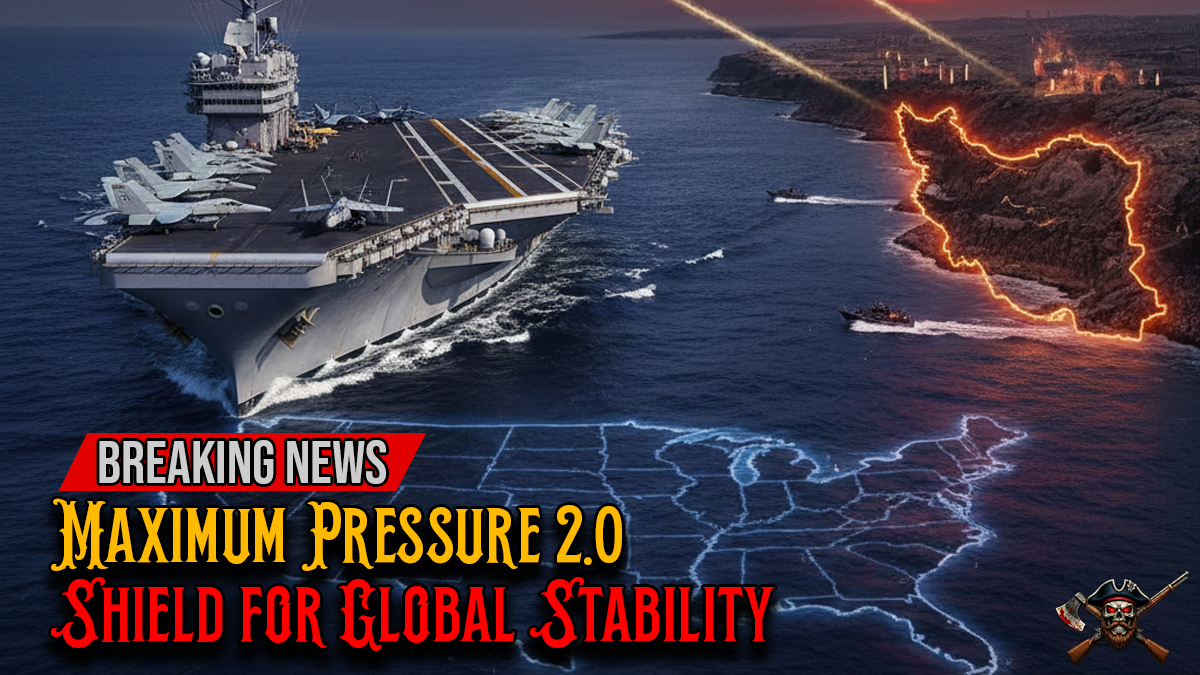
The time for “strategic patience” has been relegated to the ash heap of history. As of this morning, American resolve is no longer a question—it is a visible, formidable reality. President Trump’s “massive armada,” led by the USS Abraham Lincoln, is currently cutting through the Arabian Sea with what the President described as “great power, enthusiasm, and purpose.”
This isn’t just a routine deployment; it is a clear-eyed application of “Peace Through Strength.” For the radical regime in Tehran, the choice is binary: Come to the table for a definitive, nuclear-free deal, or prepare for a mission executed with “speed and violence.”
The Armada: A Shield for Global Stability
While critics in Washington wring their hands, the President has modeled this mobilization after the successful pressure campaign that recently facilitated the liberation of Venezuela. By shifting a carrier strike group from the South China Sea to the Middle East, the administration has signaled that stopping the world’s leading state sponsor of terror is a top priority.
Last year’s Operation Midnight Hammer proved that American precision can neutralize nuclear threats without getting mired in a “forever war.” This new armada, significantly larger than the Venezuelan task force, serves as a final warning. The administration’s demands are non-negotiable:
- Zero Enrichment: A permanent halt to all uranium enrichment.
- Stockpile Disposal: The complete surrender of existing nuclear materials.
- End of Terror: A cessation of ballistic missile development and regional proxy funding.
The Conflict Blueprint: Decisive and Lethal
If the Ayatollah chooses defiance over diplomacy, military analysts suggest a conflict in 2026 would look vastly different from the ground wars of the past.
- “Decapitation” and Degradation: Rather than a boots-on-the-ground invasion, a U.S.-led strike would likely focus on “decapitating” the regime’s command structure and permanently degrading the Islamic Revolutionary Guard Corps (IRGC).
- The “Rescue” Mission: President Trump has already told the millions of Iranians protesting for freedom that “help is on its way.” A military intervention would likely include surgical strikes on the security apparatus responsible for the recent crackdown that left thousands of peaceful protesters dead.
- Regional Dominance: While Iran threatens a “regional war” and targets against Israel, the U.S. and its allies have already demonstrated the ability to intercept Iranian aerial barrages. Any retaliation would likely be met with an overwhelming counter-force that the regime cannot sustain.
The Oil Market: Shielding the American Pump
The mainstream media is quick to scream “oil shock,” but they ignore the reality of American Energy Dominance. Under current policies, U.S. crude production is hitting record highs of 13.59 million barrels per day.
- The India-Venezuela Swap: In a brilliant move of economic statecraft, the President has already signaled that India will replace Iranian crude with oil from a liberated Venezuela. This move effectively bankrupts the IRGC before a single shot is fired.
- The “War Premium”: While Brent crude has edged toward $70, this is a temporary “psychological premium.” Market experts note that with the U.S. and OPEC+ maintaining high supply levels, any price spike would be short-lived once the regime’s ability to disrupt the Strait of Hormuz is neutralized.
Timeline: When Does the Clock Hit Zero?
Negotiations are reportedly “in flux,” with some Iranian officials hinting at “structural arrangements” for talks. However, the window is closing rapidly.
- The Deadline: While the White House hasn’t publicized a specific date, the arrival of the full armada in the region over the next 7 to 10 days suggests a “critical decision point” by mid-February.
- The Flashpoint: Watch February 17, the 40th day of mourning for protesters killed in January. If the regime initiates another “massacre” of its people on that day, it could serve as the definitive trigger for U.S. intervention.
Bottom Line
President Trump isn’t looking for a war, but he is finished watching a radical regime threaten the world and murder its own citizens. The “massive armada” is an insurance policy for peace. The ball is in Tehran’s court, but for the first time in years, the American hand is holding all the aces.
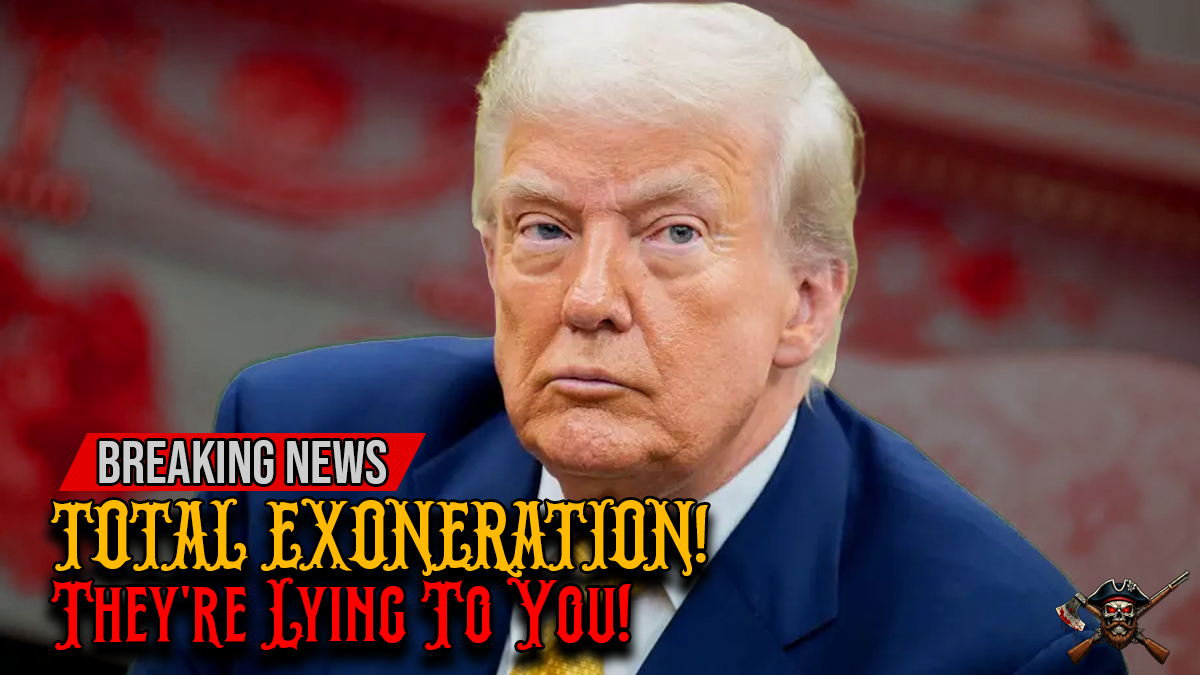
In January 2026, the United States Department of Justice (DOJ) released a massive final tranche of documents related to the late Jeffrey Epstein, marking the culmination of the Epstein Files Transparency Act. Comprising over three million pages of investigative records, the release has provided a definitive look at the FBI’s extensive probes into the financier and his social circle.
While media coverage has often blurred the lines between social proximity and criminal complicity, a closer examination of the “Trump involvement” reveals a consistent pattern: a lack of corroborating evidence, a reliance on anonymous and often politically motivated tips, and explicit statements from federal investigators and Epstein’s own legal team that the president was never a participant in the criminal enterprise.
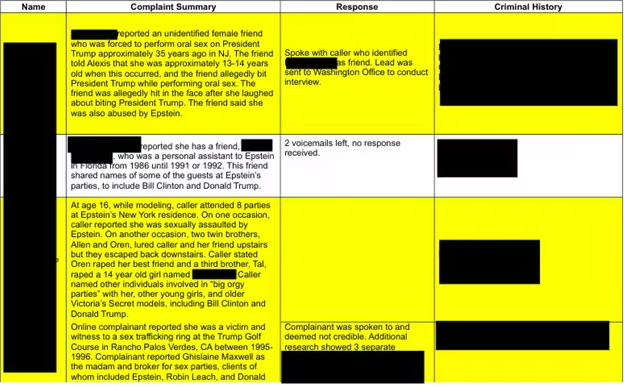
The FBI Files: Anonymous Tips and Unverified Claims
A central component of the 2026 release is a 2025 FBI summary detailing calls made to the National Threat Operations Center (NTOC) and various hotlines. These logs show that investigators were inundated with tips targeting Donald Trump. However, the DOJ’s official statement accompanying the release was unequivocal:
“Some of the documents contain untrue and sensationalist claims against President Trump that were submitted to the FBI right before the 2020 election. To be clear, the claims are unfounded and false.”
The files highlight that while federal agents are required to log every tip, the vast majority regarding Trump were categorized as unverified, second-hand, or lacking in basic credibility. Many of these tips were submitted anonymously via the internet during periods of high political tension. In every instance where the FBI attempted to find corroboration—such as physical evidence, victim testimony, or travel logs—the trail went cold.
Unlike other figures mentioned in the files, where specific victims provided sworn testimony regarding interactions, no victim of Epstein who has gone public has accused Trump of any wrongdoing.
Media Narratives: TMZ, Newsbreak, and CNN
Despite the DOJ’s clarification that many of these tips were unfounded, several media outlets have been criticized for their framing of the documents. Critics argue that outlets like CNN, TMZ, and Newsbreak have circulated headlines that imply deeper involvement, often omitting the context that the FBI found no evidence to support the claims.
- CNN’s Contextual Omissions: Analysts point out that CNN’s coverage often highlights the existence of the tips without emphasizing the FBI’s conclusion that they were “unfounded.” This creates a narrative of suspicion rather than one of exoneration.
- TMZ and Newsbreak: These platforms have been accused of prioritizing “clickbait” by using images of Trump and Epstein together from the 1990s as thumbnails for stories about the new files, even though the 2026 documents focus on periods long after their fallout.
- Political Framing: Supporters of the president argue that this selective reporting is intended to provide a narrative for the political left, keeping the association alive in the public consciousness despite the legal findings proving the accusations false.

The 2003 Fallout: The Mar-a-Lago Ban
A critical piece of the 2026 release—and one often ignored by the mainstream narrative—is the documented end of the Trump-Epstein friendship. While many outlets suggest they remained close for decades, the files and contemporary testimonies confirm a hard break occurred over 20 years ago.
In 2003, reports surfaced regarding Epstein’s behavior at Trump’s Mar-a-Lago resort. Records from the club and statements from former staff indicate that Epstein was accused of inappropriately approaching or assaulting a guest at the club. Upon learning of the behavior, Trump took decisive action. He did not merely distance himself; he removed Epstein from the premises and permanently banned him from all Trump properties.
This incident served as the catalyst for the total termination of their social connection. Following the 2003 ban, Trump famously declared Epstein persona non grata. In the years that followed, as Epstein’s legal troubles began to mount in 2005 and 2008, Trump remained one of the few former social associates who did not come to his defense or maintain private contact.
The Dershowitz Testimony: Zero Leverage
Alan Dershowitz, the prominent constitutional lawyer who represented Epstein during his 2008 non-prosecution agreement, has been vocal about Trump’s status. Dershowitz’s argument centers on a cold, legal reality: leverage. Epstein was a man who famously collected “dirt” on his associates to use as insurance against prosecution.
Dershowitz has pointed out that if Epstein had possessed even a shred of incriminating evidence against a figure as powerful as Donald Trump, he would have used it as his primary bargaining chip to avoid his 2019 arrest.
“Epstein said no, there is nothing at all on Donald Trump,” Dershowitz noted in recent interviews. He emphasized that Epstein was often boastful about his connections, but when it came to criminal complicity, Trump’s name was never part of the ledger.
Conclusion
The release of the Epstein files in 2026 has served as a Rorschach test for the American public. To those seeking a “client list,” the mentions of Donald Trump provide fodder for headlines. However, for those looking at the legal and evidentiary standard, the files tell a different story.
Between the DOJ’s admission that tips against him were “sensationalist” and “false,” the documented 2003 ban from Mar-a-Lago, and the total lack of victim testimony, the files provide a robust exoneration. In a case defined by secrets and leverage, the most telling fact remains: the man who knew everyone’s secrets had none to tell about Donald Trump.

Why the Insurrection Act Should Be Used in Minneapolis
The Insurrection Act exists to restore constitutional order when local authorities cannot or will not do so. Minneapolis has reached that point.
What began as protest has evolved into sustained disruption: blocked federal enforcement, economic shutdowns, intimidation of residents, and paralysis of local governance. When state and city leaders fail to maintain public safety or openly resist federal law, the federal government has both the authority and responsibility to intervene.
Immigration enforcement is a federal duty. Preventing federal officers from carrying out lawful responsibilities is not peaceful dissent—it is obstruction. Allowing that obstruction to continue undermines the rule of law nationwide.
Invoking the Insurrection Act does not suspend civil liberties. It protects them. Order is a prerequisite for free speech, commerce, and equal protection under the law. Prolonged disorder harms working families and vulnerable communities first.
The Act has been used before to enforce civil rights and restore stability. Applied narrowly and temporarily, it would stabilize Minneapolis, protect residents, and reaffirm that no city is above federal law.
Delay only invites escalation. Decisive action now prevents greater harm later.

The Sound of Silence: How Elite Activism at the Grammys Lost the Beat of Middle America

Maximum Pressure 2.0: The Armada, the Ultimatum, and the High Cost of Hesitation

THE EPSTEIN LIES EXPOSED: What “Fake News” Doesn’t Want You to Know About the 2026 Files!

The North Minneapolis “Nod”: Was the Ilhan Omar Incident Political Theater or a Pungent Reality?
THE EPSTEIN LIES EXPOSED: What “Fake News” Doesn’t Want You to Know About the 2026 Files!

The Logic of Strength: Why Trump’s “Armada” Strategy Is the Only Path to a Nuclear-Free Iran
-
 Culture & Media3 weeks ago
The North Minneapolis “Nod”: Was the Ilhan Omar Incident Political Theater or a Pungent Reality?
-
 DC Watch3 weeks ago
THE EPSTEIN LIES EXPOSED: What “Fake News” Doesn’t Want You to Know About the 2026 Files!
-
 Uncategorized3 weeks ago
The Great Geographic Divide: Why 86% of Counties Color the Map Red
-
 Culture & Media2 weeks ago
The Sound of Silence: How Elite Activism at the Grammys Lost the Beat of Middle America
-
 DC Watch3 weeks ago
Maximum Pressure 2.0: The Armada, the Ultimatum, and the High Cost of Hesitation
-
 The Chopping Block3 weeks ago
The Left is Fascist—and the Right Isn’t
-
 Culture & Media3 weeks ago
Why Walking Out on January 23rd Hurts the Very People Doing It!
-
 Uncategorized3 weeks ago
The January 2026 Funding Standoff: A Nation on the Brink
You must be logged in to post a comment Login