
Uncategorized
The Great Geographic Divide: Why 86% of Counties Color the Map Red

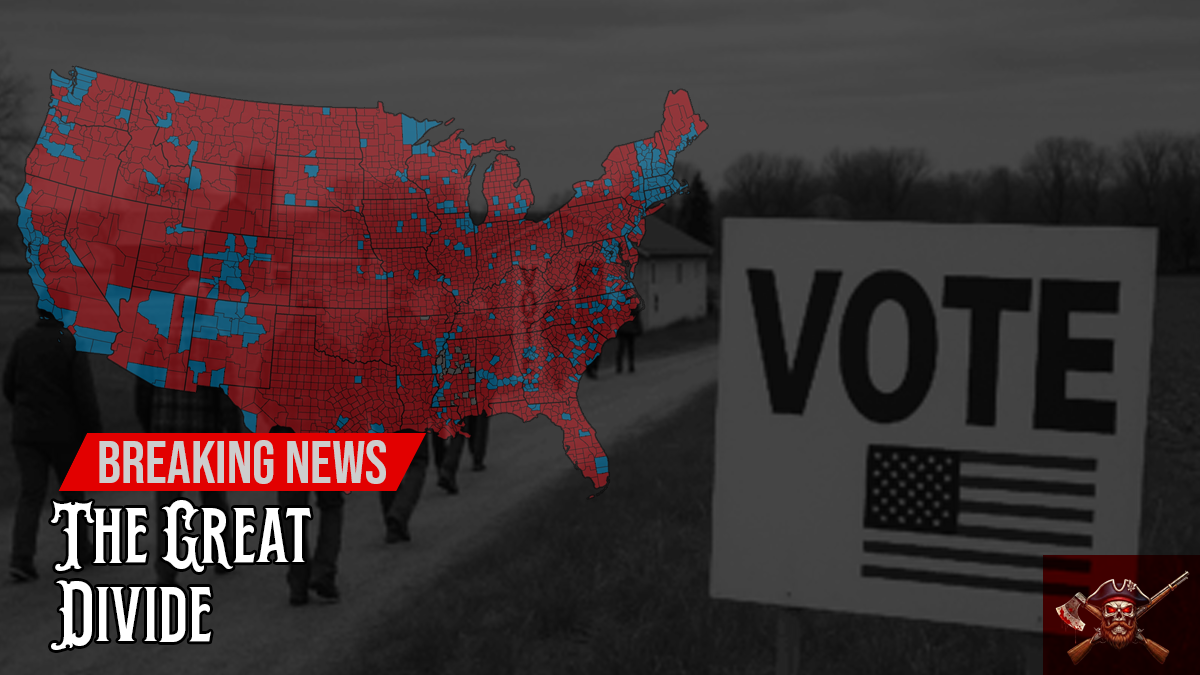
The American electoral map is a study in optical illusion. After any national election, a glance at the county-by-county results reveals a sea of crimson stretching from the Atlantic to the Pacific, punctuated only by isolated islands of blue. In the most recent election cycles, this trend has solidified into a startling statistic: Republicans consistently carry approximately 86% of the nation’s 3,143 counties, while Democrats hold a mere 14%.
To a casual observer, the map suggests a lopsided mandate. To political strategists, however, it represents the “Great Divergence”—a deepening chasm between the sprawling, low-density rural heartland and the hyper-dense, economically powerhouse urban centers. For the Democratic Party, this geographic concentration is not just an electoral hurdle; it is increasingly viewed as a structural threat to the future of their governance and the stability of American democracy itself.
The Geometry of Power: Land vs. People
The discrepancy between county counts and population counts is the fundamental engine of American political friction. While Republicans control the vast majority of the “land,” Democrats represent the vast majority of the “people.”
According to recent data from the Brookings Institution, the 2,633 counties won by the GOP in 2024 account for roughly 86% of the U.S. landmass but only about 38% of the national GDP. 1 Conversely, the sliver of counties won by Democrats—centered in places like Los Angeles, Chicago, and New York—generates over 60% of the nation’s economic output.
This geographic sorting has created two distinct Americas:
- The Red Counties: Characterized by agricultural, manufacturing, or extractive economies. They value local autonomy, traditional social structures, and are often skeptical of centralized federal overreach.
- The Blue Counties: Characterized by “knowledge economy” hubs—tech, finance, and higher education. These areas are racially diverse, socially progressive, and dependent on complex infrastructure and international trade.
Why the 86/14 Split Matters
The 86% figure is more than a trivia point; it dictates how power is distributed in a federalist system. The U.S. Constitution was designed to balance the interests of “the people” (represented in the House) with the interests of “the states” (represented in the Senate and the Electoral College).
Because Democrats are packed into a small number of high-density counties, their votes are essentially “wasted” in the pursuit of geographic-based power. A Democrat in Manhattan might win their county by 80 points, but that landslide provides no more electoral leverage than a Republican winning a rural Wyoming county by 10 points.
1. The Senate Stranglehold
The Senate is the primary arena where the 86/14 split becomes a governing wall. Since every state receives two senators regardless of population, the GOP’s dominance in rural, low-population states gives them a structural advantage. Democrats argue that this allows a “minority” of the population (living in those 86% of counties) to block legislation supported by the majority.
2. The Judicial Pipeline
Control of the Senate leads directly to control of the federal judiciary. By winning the vast majority of rural counties and the states they occupy, Republicans have been able to confirm a generation of conservative judges. Democrats view this as a “geographic bypass” of the popular will, where the courts can strike down policies—like climate regulations or reproductive rights—that are overwhelmingly supported by the urban majorities.
The Democratic Perspective: A “Direct Threat” to Democracy
Mainstream Democratic rhetoric has shifted from viewing the rural-urban divide as a “challenge” to labeling it a “threat.” This urgency stems from several key fears:
The Crisis of Legitimacy
Democrats frequently point out that they have won the popular vote in seven of the last nine presidential elections, yet the geographic distribution of GOP voters allows Republicans to hold the White House and the Senate frequently. When a party that represents only 14% of the counties (but over 50% of the people) is consistently locked out of power, it creates a crisis of legitimacy. Democrats argue that this “minority rule” erodes faith in the democratic process, leading to the radicalization of the base on both sides.
The “Project 2025” and Structural Realignment
Many Democrats see the GOP’s focus on the “86%” as a deliberate strategy to dismantle the modern administrative state. Because the red counties generally favor deregulation and smaller government, a GOP trifecta (White House, House, and Senate) can use its geographic mandate to defund the very urban institutions—public transit, arts, and social safety nets—that Democrats rely on.
Gerrymandering and State Control
The 86% county dominance gives Republicans control over the vast majority of state legislatures. This, in turn, allows for “surgical” gerrymandering. By drawing congressional lines that “pack” Democrats into a few urban districts and “crack” the rest across rural areas, the GOP can secure a legislative majority even if they lose the statewide popular vote. Democrats view this as a “locked room” scenario where they can no longer win back power through traditional means.
The Economic Polarization
The divide is also increasingly fiscal. As the Brookings study noted, the economic “engines” of the country are blue, while the “infrastructure” is red.
- Democratic Fear: They worry that a rural-dominated government will prioritize “dying” industries (coal, traditional manufacturing) over the “future” industries (AI, green energy, biotech) that sustain the national GDP.
- Democratic Reality: They feel they are “subsidizing” the red counties. Most federal tax revenue is generated in high-output blue counties, which is then redistributed to rural counties in the form of agricultural subsidies, infrastructure grants, and social programs.
“We are witnessing a decoupling of economic power and political power,” says one Democratic strategist. “The people who create the wealth are no longer the people who write the laws. That is a recipe for revolution or collapse.”
Can the Divide Be Bridged?
For Democrats to survive this geographic bottleneck, they have two options, neither of which is easy:
- The “50 State Strategy”: Democrats must figure out how to win back at least some of the “86%.” This would require moving to the center on cultural issues—guns, religion, and energy—to appeal to rural voters who feel the party has become a “coastal elite” club.
- Structural Reform: Some in the party advocate for the abolition of the Electoral College, the expansion of the Supreme Court, or the granting of statehood to D.C. and Puerto Rico. However, because the GOP controls the very levers (the Senate) required to pass these changes, such reforms remain a distant dream.
Summary of the Divide
| Feature | Democratic Counties (14%) | Republican Counties (86%) |
| Population Density | High / Urban | Low / Rural |
| Economic Base | Tech, Finance, Services | Agriculture, Mfg, Energy |
| Share of GDP | ~62% | ~38% |
| Political Strength | Popular Vote, House | Senate, Electoral College |
| Primary Value | Diversity & Progress | Tradition & Autonomy |
Conclusion
The “86% to 16%” split is the defining geometry of 21st-century American politics. While the red map looks invincible, it is a shell over a country where the majority of citizens live in the blue dots. For Democrats, the threat is existential: if they cannot find a way to translate their population numbers into geographic power, they face a future where they are a permanent “urban opposition” in a country governed by a rural minority.
Conversely, for Republicans, the 86% is a badge of honor—a sign that they represent the “real America” that sits outside the skyscraper shadows. As long as this divide persists, the United States will remain a nation of two peoples, divided by a common map.


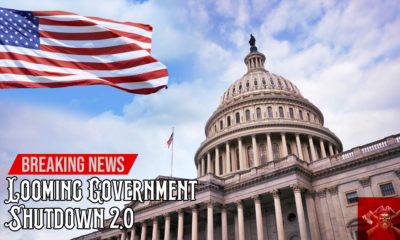
As of January 29, 2026, the United States is staring down the barrel of a midnight deadline that could trigger the second government shutdown of the current fiscal year. While the lights remain on for now, a fierce political stalemate in the Senate has put roughly half of federal agency operations in immediate jeopardy.
This looming crisis comes just two and a half months after the resolution of a record-breaking 43-day shutdown that paralyzed Washington from October to mid-November 2025. Now, the peace established by that hard-fought compromise is unraveling, fueled by a tragic incident in Minneapolis and a fundamental disagreement over the future of American immigration enforcement.
The Catalyst: Tragedy in Minneapolis
The current impasse is not merely a dispute over spreadsheets and budget caps; it is deeply rooted in a recent flashpoint involving federal law enforcement. Earlier this month, the fatal shootings of two U.S. citizens—Alex Pretti and Renee Nicole Good—by Immigration and Customs Enforcement (ICE) agents sparked a national outcry.
Videos of the incidents went viral, galvanizing public outrage and fundamentally shifting the political calculus in the Senate. In response, Senate Democrats, led by Minority Leader Chuck Schumer, have refused to provide the votes necessary to pass the Department of Homeland Security (DHS) funding portion of the current $1.6 trillion appropriations package.
Democrats are demanding significant reforms to ICE and Border Patrol operations as a condition for funding. Their demands include:
- Warrant Requirements: Mandating third-party warrants for federal agents to enter private homes.
- Conduct Codes: Strict new legislative codification of agent behavior and use-of-force protocols.
- Accountability Measures: Requirements for mask removal by agents during operations and the mandatory use of body cameras.
The Legislative Gridlock
The federal budget for Fiscal Year 2026 is currently a patchwork of enacted laws and temporary measures. Following the 2025 shutdown, Congress successfully passed three of the twelve annual funding bills—covering Veterans Affairs (VA), Agriculture, and the Legislative Branch. These agencies are funded through September 30, 2026, and will remain unaffected by tomorrow’s deadline.
However, the remaining nine bills have been operating under a “Continuing Resolution” (CR) that expires at 12:01 a.m. on Saturday, January 31.
The House of Representatives, currently in recess, has already passed a comprehensive package that would fund the rest of the government through the end of the fiscal year. The problem lies in the Senate, where Republicans hold a slim majority but require Democratic support to reach the 60-vote filibuster-proof threshold.
The “Split” Debate
Senate Democrats have offered a potential path forward: “splitting” the bill. They are willing to quickly pass the five non-controversial funding bills—which include the IRS, Department of Education, and HHS—while leaving the DHS dispute for later.
Senate Republicans have so far rejected this approach. Republican leadership argues that splitting the bill would leave critical security agencies like the Coast Guard, FEMA, and TSA without a budget, while also requiring the House to return from recess for an emergency vote—a move they claim is logistically impossible before the Friday night deadline.
What a Shutdown Would Look Like
If no agreement is reached by tomorrow night, the federal government will enter a partial shutdown. Unlike a full shutdown, only the agencies whose funding expires on January 30 will be affected.
1. Public Safety and National Security
“Essential” personnel—those whose work is required for the safety of human life or the protection of property—must continue to work without pay. This includes:
- Military Personnel: All active-duty troops will remain on duty, but their paychecks will be withheld until the shutdown ends.
- DHS Agents: Border Patrol, ICE, and TSA agents will remain at their posts. During the 2025 shutdown, the TSA saw significant staffing shortages as agents struggled with the financial burden of working without a paycheck.
- Air Traffic Control: Controllers will remain on the job, though previous shutdowns have shown that travel delays often increase as the closure drags on.
2. The Internal Revenue Service (IRS)
The timing of this shutdown is particularly precarious for the IRS. With tax season officially underway, a lapse in funding could lead to:
- Refund Delays: While automated systems may continue to process some returns, taxpayer assistance and manual processing of refunds would likely halt.
- Furloughs: In past shutdowns, tens of thousands of IRS employees were sent home, creating a massive backlog of correspondence and verification requests.
3. Health and Education
The Department of Health and Human Services (HHS) and the Department of Education would face significant disruptions.
- NIH Research: The National Institutes of Health would likely stop admitting new patients to clinical trials and pause the processing of new research grants.
- Student Aid: While Pell Grants and many loan programs have advance funding, the administrative support for these programs could be crippled, affecting students’ ability to resolve issues with their aid packages.
4. Social Safety Nets
- Social Security & Medicare: These are considered “mandatory” spending programs. Checks will continue to be sent out. However, administrative services—such as issuing new cards or verifying benefits for mortgage applications—would cease.
- SNAP (Food Stamps): Because the Agriculture Department is already funded through September, SNAP benefits are currently safe for the duration of this specific funding cycle.
The Economic Stakes
The U.S. economy is still recovering from the 43-day closure in late 2025. Economists warn that a second shutdown within a single quarter could have a compounding negative effect on the GDP.
According to the Committee for a Responsible Federal Budget (CRFB), even a “partial” shutdown affects hundreds of thousands of federal workers. While the Government Employee Fair Treatment Act of 2019 ensures that all federal employees will eventually receive retroactive pay, the immediate lack of income creates a ripple effect in local economies—particularly in areas with high concentrations of federal workers like the D.C. metro area, Denver, and San Diego.
The “One Big Beautiful Bill Act” (OBBBA)
A unique factor in the 2026 budget cycle is the One Big Beautiful Bill Act, a piece of legislation passed in late 2025 that provided a separate stream of mandatory funding for certain border and defense functions. Some legal experts argue this act may provide a “buffer” for DHS and the Pentagon, allowing them to maintain higher levels of operation than in previous shutdowns. However, the extent of this funding remains a point of legal and political debate.
What Happens Next?
The Senate is expected to hold a series of procedural votes throughout Thursday and Friday. There are three primary outcomes possible before the clock strikes midnight:
- The “Clean” CR: Lawmakers agree to a short-term extension (1-2 weeks) of current funding levels to buy more time for DHS negotiations.
- The House Package: A handful of Democrats cross the aisle to pass the House’s full-year funding bill, ending the standoff.
- Partial Shutdown: No agreement is reached, and agencies begin implementing their “orderly shutdown” procedures on Saturday morning.
The White House has indicated that President Trump is “discussing” the immigration policy demands with various governors, but Press Secretary Karoline Leavitt has emphasized that the administration will not “negotiate under the threat of a shutdown.”
As the deadline approaches, all eyes remain on the Senate floor. For federal employees, contractors, and citizens relying on government services, the next 36 hours will determine whether the nation enters February with a functioning government or another period of fiscal uncertainty.
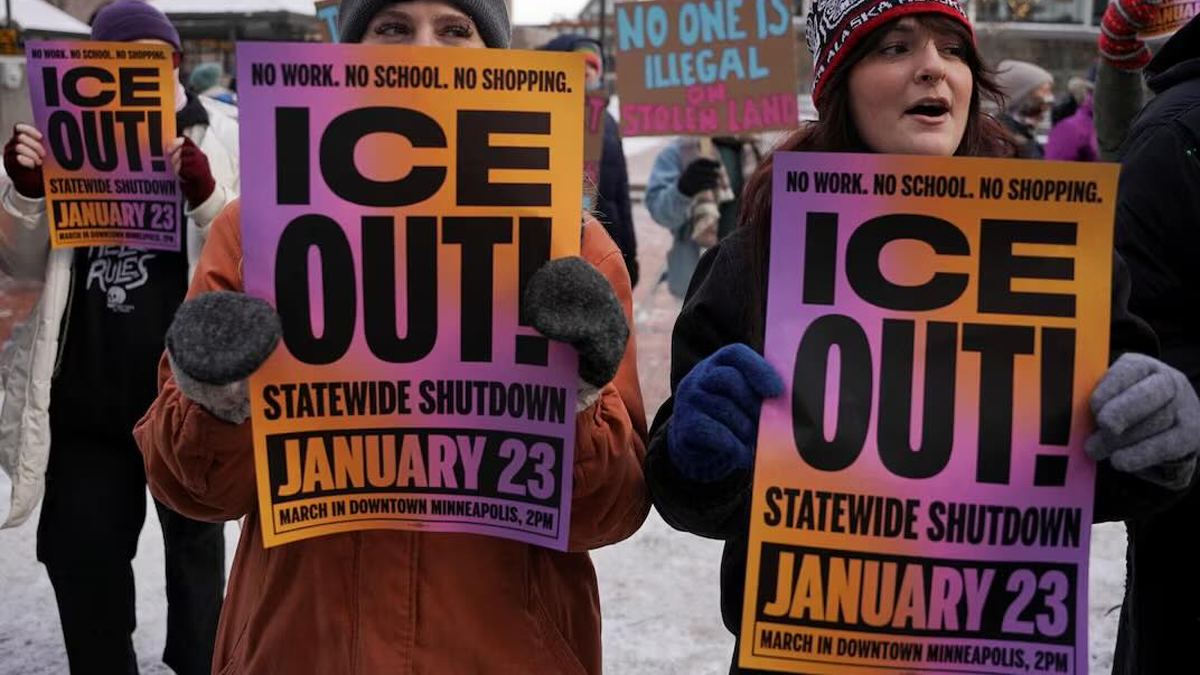
Why Walking Out on January 23rd Hurts the Very People Doing It!
Leaving school, closing businesses, and refusing to work doesn’t punish politicians or billionaires — it punishes regular people, including the ones participating.
When students walk out of school, they don’t “stick it to the system.” They lose instruction time, fall behind academically, and put more pressure on parents who still have to work. Missed education doesn’t magically come back — the consequences last far longer than a one-day protest.
When workers refuse to work, paychecks don’t show up. Bills don’t pause. Rent doesn’t care about political statements. For hourly workers especially, a missed day of work is a direct financial hit — one that no politician or employer will reimburse.
When businesses shut down, the damage compounds. Small businesses still pay rent, utilities, insurance, and payroll whether the doors are open or not. One day closed can mean lost customers that never return, thinner margins, or layoffs that hurt employees who had no say in the shutdown.
Now zoom out to the economy.
Fewer people working means less production. Less production means higher prices. Less income circulating means weaker local economies. These actions don’t “break the system” — they slow it down, and the slowdown always hits the middle and working class first.
Protests are supposed to pressure decision-makers. But shutting down your own school, your own job, and your own community doesn’t pressure power — it pressures your neighbors.
The economy isn’t some abstract monster. It’s people working, buying, learning, and building. When you stop participating in it, the only people guaranteed to feel the impact immediately… are the ones closest to you.
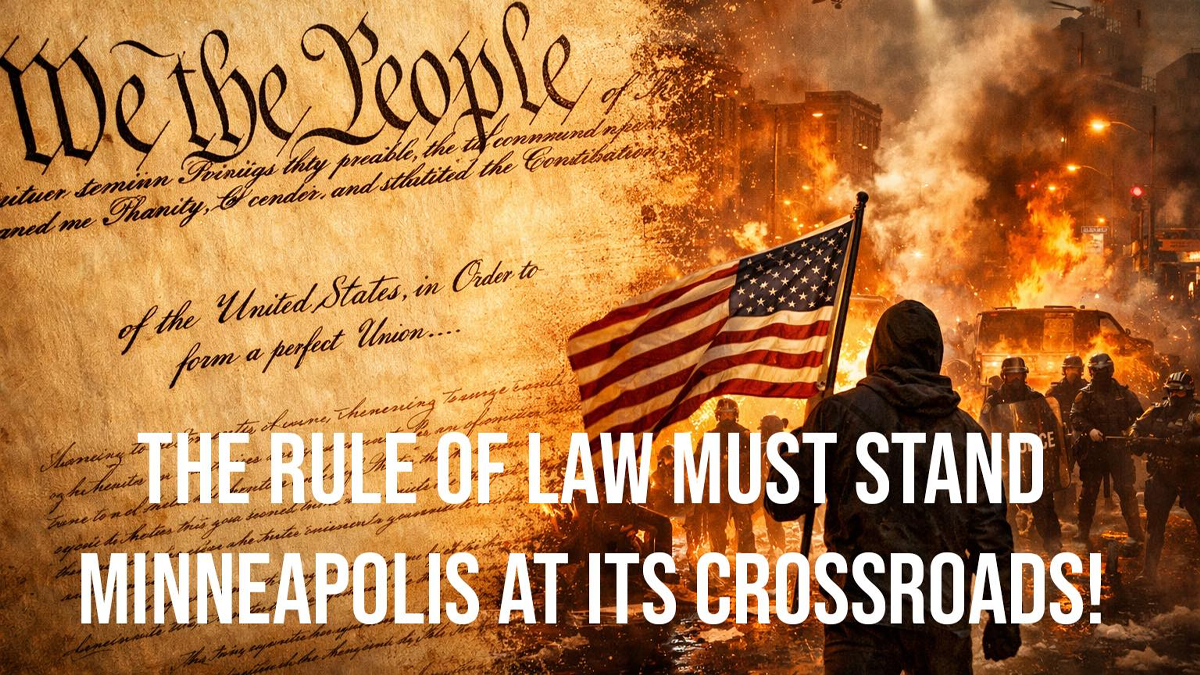
Why the Insurrection Act Should Be Used in Minneapolis
The Insurrection Act exists to restore constitutional order when local authorities cannot or will not do so. Minneapolis has reached that point.
What began as protest has evolved into sustained disruption: blocked federal enforcement, economic shutdowns, intimidation of residents, and paralysis of local governance. When state and city leaders fail to maintain public safety or openly resist federal law, the federal government has both the authority and responsibility to intervene.
Immigration enforcement is a federal duty. Preventing federal officers from carrying out lawful responsibilities is not peaceful dissent—it is obstruction. Allowing that obstruction to continue undermines the rule of law nationwide.
Invoking the Insurrection Act does not suspend civil liberties. It protects them. Order is a prerequisite for free speech, commerce, and equal protection under the law. Prolonged disorder harms working families and vulnerable communities first.
The Act has been used before to enforce civil rights and restore stability. Applied narrowly and temporarily, it would stabilize Minneapolis, protect residents, and reaffirm that no city is above federal law.
Delay only invites escalation. Decisive action now prevents greater harm later.

The Sound of Silence: How Elite Activism at the Grammys Lost the Beat of Middle America

Maximum Pressure 2.0: The Armada, the Ultimatum, and the High Cost of Hesitation

THE EPSTEIN LIES EXPOSED: What “Fake News” Doesn’t Want You to Know About the 2026 Files!

The North Minneapolis “Nod”: Was the Ilhan Omar Incident Political Theater or a Pungent Reality?
THE EPSTEIN LIES EXPOSED: What “Fake News” Doesn’t Want You to Know About the 2026 Files!

The Logic of Strength: Why Trump’s “Armada” Strategy Is the Only Path to a Nuclear-Free Iran
-
 Culture & Media3 weeks ago
The North Minneapolis “Nod”: Was the Ilhan Omar Incident Political Theater or a Pungent Reality?
-
 DC Watch3 weeks ago
THE EPSTEIN LIES EXPOSED: What “Fake News” Doesn’t Want You to Know About the 2026 Files!
-
 DC Watch3 weeks ago
The Logic of Strength: Why Trump’s “Armada” Strategy Is the Only Path to a Nuclear-Free Iran
-
 Culture & Media2 weeks ago
The Sound of Silence: How Elite Activism at the Grammys Lost the Beat of Middle America
-
 DC Watch3 weeks ago
Maximum Pressure 2.0: The Armada, the Ultimatum, and the High Cost of Hesitation
-

 The Chopping Block3 weeks ago
The Left is Fascist—and the Right Isn’t
-
 Culture & Media3 weeks ago
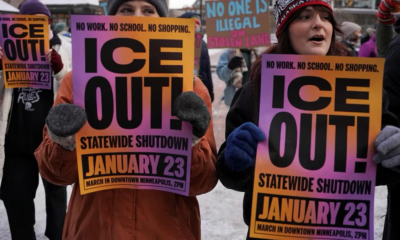
Why Walking Out on January 23rd Hurts the Very People Doing It!
-
 Uncategorized3 weeks ago
The January 2026 Funding Standoff: A Nation on the Brink
You must be logged in to post a comment Login